

The Rise of the ChatGPT Smart Speaker: Inside OpenAI’s Plan to Redefine the Smart Home
- Update Time : Wednesday, July 15, 2026
- 1932 Time View
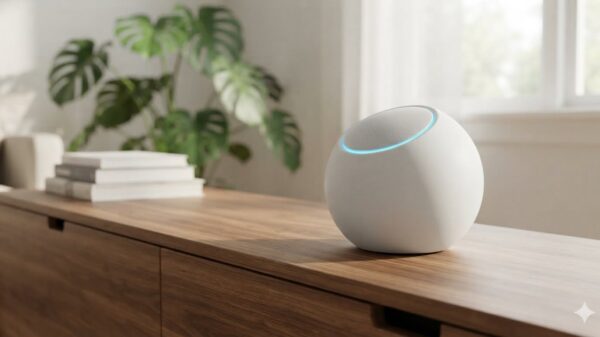
The landscape of home automation is shifting rapidly as standard voice assistants struggle to keep pace with generative AI. While smart homes have traditionally relied on rigid, command-driven ecosystems, OpenAI is reportedly shifting the paradigm by developing its own dedicated, screenless hardware. This upcoming ChatGPT smart speaker signals a massive technological leap forward. This will transition artificial intelligence from a text-based chatbot on your phone into an ambient, conversational companion for your living room. It will also blend state-of-the-art natural language processing with high-end physical design. Through this, it aims to change how we interact with technology inside our homes.
The Rise of Generative AI in the Living Room
For over a decade, consumers have relied on first-generation smart speakers to set kitchen timers, read the weather, and play music. While devices powered by Amazon Alexa and Google Assistant transformed how we interact with our homes, they have always been somewhat limited by rigid command scripts. When you ask a traditional smart speaker a complex, multi-layered question, it often defaults to a generic web search or admits it cannot help.
The introduction of generative Large Language Models (LLMs) is rapidly changing this dynamic. Instead of relying on pre-programmed responses, AI-powered smart speakers can understand nuance, engage in fluid back-and-forth conversations, and generate entirely new content on the fly. Leading this charge is the integration of ChatGPT into smart home ecosystems.
OpenAI’s Leap into Hardware
OpenAI is not satisfied with running AI on phones or computers. Recent reports confirm the company is developing consumer hardware. This portable, screen-free smart speaker functions as an interactive, human-like AI companion.
According to tech insiders, this movable device frees the assistant from a single countertop. It moves with you from room to room. The speaker adapts to your environment to provide help exactly when and where you need it.
The Jony Ive Partnership
To bring this vision to life, OpenAI partnered with former Apple designer Jony Ive. Ive designed the iconic iMac, iPhone, and Apple Watch. He now spearheads OpenAI’s physical hardware design through his firm, LoveFrom.
This collaboration blends advanced conversational AI with sleek, minimalist hardware. By focusing on a screenless experience, the design prioritizes natural, voice-first interaction. This creates a physical ChatGPT that acts as a natural extension of your household rather than bulky technology.
How Do ChatGPT Smart Speakers Work?
At the core of a ChatGPT-powered smart speaker is a highly advanced contextual understanding engine. You do not need to memorize specific trigger phrases or syntax to make the device work. Instead, you can talk to it the same way you would a human friend.
1. Fluid, Contextual Conversation
Traditional voice assistants require a specific wake word for every single request. With an AI like ChatGPT, the speaker remembers the context of your conversation. You can ask the AI to suggest a dinner recipe, and then seamlessly follow up by asking, “What if we swap out the chicken for tofu and scale the recipe for four people?” The speaker will remember the initial recipe and adapt its response accordingly.
2. Creative Content Generation
Beyond answering questions, ChatGPT smart speakers excel at generating creative content. Do you need a personalized bedtime story for your child? Are you looking for a custom travel itinerary for an upcoming trip to Las Vegas? Simply ask the speaker, and it will compose engaging, detailed stories and plans in seconds.
3. Smart Home Control and Integration
Just like established smart speakers, a ChatGPT integration can control smart home appliances, adjust your smart thermostat, and lock your doors. However, the generative AI engine allows for greater flexibility, enabling users to combine multiple complex commands into a single, conversational request.
4. The Potential for Visual AI
Early leaks and patents suggest that OpenAI’s upcoming device may incorporate cameras and sensors to visually interpret its environment. This means the speaker could potentially “see” objects in the room, helping you identify items, organize spaces, or even assist with hands-free tasks.
Bridging the Gap: Dual-AI Solutions
While we wait for OpenAI’s dedicated hardware, the market has already started seeing innovative products that bridge the gap between traditional assistants and LLMs. Devices like the Chatmaster Cube are prime examples. These dual-AI smart speakers combine the strengths of established systems (like Amazon Alexa) with the creative intelligence of ChatGPT.
In these dual-AI setups, Alexa handles the immediate, heavy lifting of the smart home—such as turning off the lights, setting quick kitchen timers, or reading the daily news. When you need deeper assistance, creative writing, or complex problem-solving, you can prompt the speaker to switch to ChatGPT. This hybrid approach offers users the best of both worlds: the reliability and speed of a traditional home hub paired with the conversational depth of a generative AI.
What Are the Challenges?
Despite the immense excitement surrounding ChatGPT smart speakers, the road to consumer adoption is not without its hurdles. Entering the smart home market means going head-to-head with tech giants like Amazon, Google, and Apple, all of whom have been iterating on their smart speaker ecosystems for years.
1. Privacy and Security
One of the most significant consumer concerns is privacy. Smart speakers are already “always-listening” devices, but adding advanced AI, continuous tracking sensors, and cameras amplifies these concerns. Consumers will need strong assurances regarding how their household data is stored, processed, and utilized by the AI model.
2. Hardware Limitations and Cost
Building consumer hardware is notoriously difficult and expensive. While ChatGPT can be accessed via a monthly subscription, utilizing premium, resource-heavy AI models on a physical, standalone speaker may result in higher device costs or require ongoing service subscriptions for unlimited access.
3. Hallucinations and Accuracy
Large language models are known to occasionally “hallucinate,” or present factually incorrect information with absolute confidence. While this is acceptable for creative tasks or casual conversation, it can be frustrating when a user relies on the speaker for critical daily information or home management tasks.
How to Build Your Own ChatGPT Smart Speaker
If you do not want to wait for proprietary hardware to hit the shelves, you don’t have to. Many tech enthusiasts are building their own ChatGPT-powered smart speakers right now using consumer electronics.
The process is surprisingly straightforward:
- Choose a Speaker: Acquire a high-quality Bluetooth speaker with an excellent built-in microphone array.
- Connect via Bluetooth: Pair your smartphone or tablet to the Bluetooth speaker.
- Use the Voice Feature: Open the ChatGPT mobile app, navigate to a new chat, and tap the Live or Voice icon in the corner.
- Set Audio Output: Ensure your app’s audio output is directed to your connected Bluetooth speaker.
By doing this, you can immediately enjoy hands-free conversations with ChatGPT while benefiting from the superior audio quality of your wireless speaker.
The Future of the AI-Powered Home
The evolution of home automation is stepping out of the era of rigid commands and moving into a future of genuine ambient intelligence. Whether you choose to experiment with a DIY setup today, adopt a hybrid dual-AI device, or wait for OpenAI’s highly anticipated hardware release, the era of the ChatGPT smart speaker is officially here. The days of shouting specific, pre-programmed phrases at a plastic cylinder are numbered. By bringing the depth, memory, and reasoning capabilities of advanced large language models directly into physical devices, the smart home is finally becoming truly smart—evolving into a responsive, personalized ecosystem led by an intelligent, helpful home companion.







Smrity Computer- Speaker of Technology. Leading Technology related website. We provide contents about solution of computer and mobile phone issues, latest tech and gadget related news, networking and freelancing tips including SEO, video marketing on YouTube, blogging, digital marketing etc.
Find Us On Social Media



Leave a Reply